Living in Seminole FL: Is Coastal Convenience Right for You?
June 25, 2026
June 25, 2026
If you want a Florida lifestyle that keeps the beach close without putting your whole routine in the middle of a tourist zone, Seminole deserves a look. You may be comparing coastal access, daily convenience, and housing options all at once, especially if you want a place that feels practical for real life. This guide walks you through what everyday life in Seminole, FL really feels like, from parks and errands to home styles, commuting, and flood awareness. Let’s dive in.
Seminole is a small city in Pinellas County on Florida’s west coast, about 25 miles west of Tampa. It covers a little over 5.6 square miles and has a population of around 19,400, which helps explain why it often feels more local and low-key than larger nearby cities.
This is not a dense beach town with constant visitor traffic. City information points to a community shaped by independent businesses, local services, recreation, and a large retirement-age population, which gives Seminole a quieter, more routine-oriented feel.
That balance is a big part of the appeal. You can live near Gulf beach access and waterfront recreation while still having a day-to-day setting that feels suburban and grounded.
Daily life in Seminole tends to center on convenience. City facilities, recreation, library access, shopping areas, and nearby road connections all contribute to a sense that many essentials are close by.
The city also has a community-focused rhythm. Annual events like Pow Wow, Music in the Park, and WinterFest support a neighborhood-oriented atmosphere rather than a tourist-driven one.
If you like a place where you can handle errands, enjoy outdoor time, and still be near the coast, Seminole checks a lot of boxes. It tends to attract people who want Florida living to feel easy and livable, not hectic.
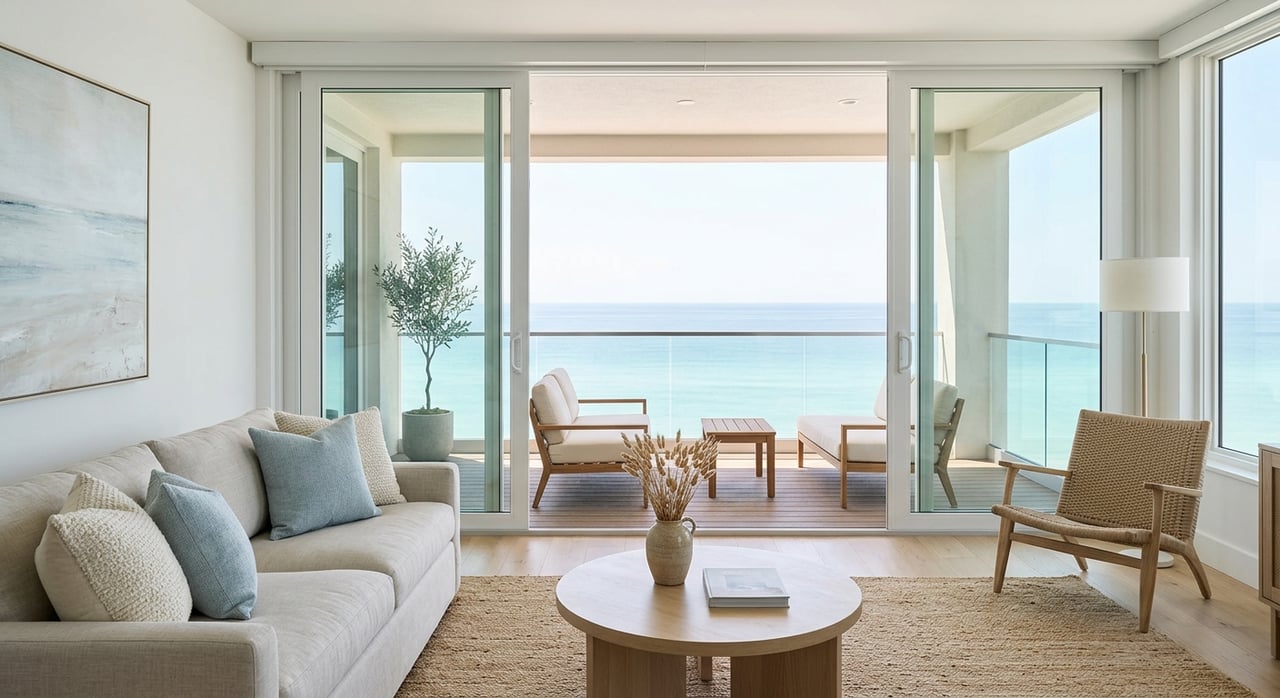
Not exactly, and that distinction matters. Seminole is inland, but it offers quick access to Gulf beach areas and waterfront recreation, which means you can enjoy the coastal lifestyle without living directly on the sand.
Nearby county-listed beach access points include Indian Rocks Beach, Tiki Gardens in Indian Shores, Madeira Beach, Redington Shores, and St. Pete Beach. That gives you several options for beach days without needing to live in a more tourism-heavy setting.
For many buyers, that can be the sweet spot. You get beach access as part of your lifestyle, but your home base may feel quieter and more practical for everyday routines.
Outdoor access is a real part of living in Seminole. City parks are open from sunrise to sunset, and the city lists Seminole City Park, Tennis Club Park, Blossom Lake Park, and Waterfront Park among its public park spaces.
The city budget notes 35 acres of parkland across five city parks, plus a 49,000-square-foot Recreation & Aquatic Center and more than 200 recreational programs each year. That adds meaningful options if you want places to walk, stay active, or spend time outside close to home.
Waterfront Park adds another layer to the local lifestyle. City materials highlight canoe and kayak access to the Tampa Bay Aquatic Preserve and the Gulf, which can be a great fit if you enjoy getting on the water without making it an all-day event.
For freshwater recreation, Pinellas County also lists Lake Seminole Park as a nearby option. That variety helps Seminole feel more flexible than a place built around only one type of outdoor activity.
The Fred Marquis Pinellas Trail is another everyday perk. Pinellas County says the trail runs from St. Petersburg to Tarpon Springs, and the first 5-mile section opened in 1990 connecting Taylor Park in Largo to Seminole Park in Seminole.
The trail is open daily from 7 a.m. to sunset and is designed for walking, jogging, skating, and biking. If you value outdoor movement as part of your normal week, this can be one of Seminole’s most practical lifestyle benefits.
Seminole’s community layout supports a nearby-everything feel in some parts of the city. The Seminole Community Library at St. Petersburg College is a joint-use city and college facility, and current city information shows it is open seven days a week.
The city budget also notes that the SPC Seminole campus sits next to City Hall and the Recreation Center. That kind of clustering can make regular errands and activities feel simpler, especially if you prefer less driving for basic routines.
This may not sound flashy, but it matters in daily life. Easy access to recreation, library services, and public facilities often shapes how comfortable and convenient a city feels over time.
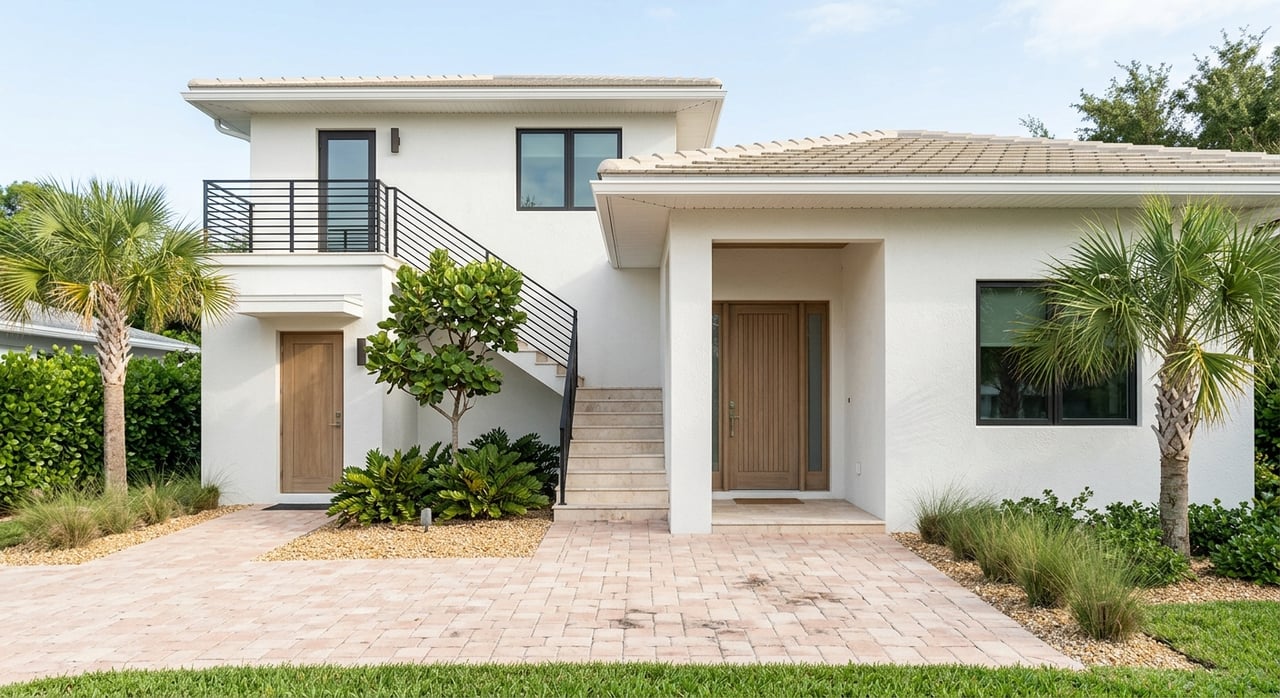
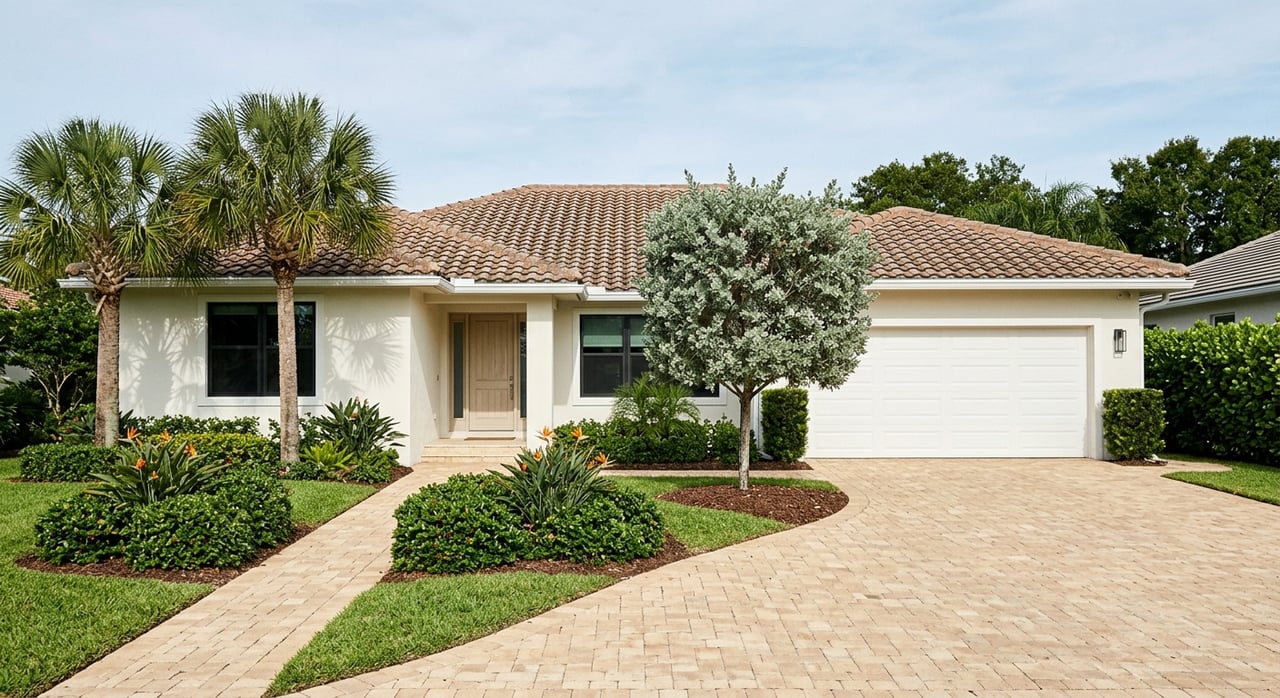
Seminole is not a one-style housing market. City materials say the housing mix includes condominiums, apartments, and retirement communities, and third-party housing descriptions also point to bungalow homes, ramblers, cottages, 55-plus condo communities, and some waterfront homes.
That variety can be helpful if you are trying to match budget, maintenance level, and lifestyle. Some buyers may want a single-family home with a more suburban setup, while others may prefer a condo or lower-maintenance option closer to daily conveniences.
Recent census-based estimates suggest owner occupancy is a major part of the local market. QuickFacts reports a 73.3% owner-occupied housing rate, which supports the idea that Seminole leans more residential than transient.
Recent estimates place owner-occupied home values in the low-to-mid $300,000s. Census Reporter shows a median owner-occupied home value of $348,500, while Census QuickFacts places the median owner-occupied value at $312,700 for 2019 through 2023.
That range gives you a useful baseline, not a promise of what any specific home will cost. In a market like Seminole, values can vary based on property type, location, updates, and whether a home has waterfront or condo features.
If you are comparing Seminole with other Tampa Bay areas, this is where clear local guidance matters. Looking at the right mix of home style, monthly costs, and location tradeoffs can help you make a smarter decision for both lifestyle and long-term value.
For many people, Seminole works best as a place where you can balance home life with access to the rest of Pinellas County and the broader Tampa Bay area. Census Reporter shows a mean travel time to work of 26.3 minutes, which offers a useful benchmark if you are weighing Seminole against other suburbs.
Public transit is available through PSTA. Route 58 connects Seminole City Center and the PSTA Complex, with service to places including SPC Seminole and Bardmoor-area destinations, while Route 65 connects Seminole City Center and the Park Street Terminal in Clearwater and includes stops tied to Indian Rocks Shopping Center and the Park Blvd Boat Ramp.
Even if you mainly drive, those options can still add flexibility. For some households, having transit access, trail access, and nearby services in one area can make daily logistics easier.
If you are thinking about buying in Seminole, flood awareness should be part of your planning. According to the city, about 11% of Seminole properties are in the 100-year floodplain.
The city also states that homeowners insurance usually does not cover flood damage. Seminole participates in the National Flood Insurance Program, so separate flood insurance can be purchased.
This does not mean every property carries the same level of risk. It does mean you should check both flood zones and hurricane evacuation zones early in your home search so you understand insurance needs, budgeting, and storm planning before you buy.
If Seminole is on your list, it helps to look beyond list price and square footage. A few smart questions can give you a clearer picture of everyday ownership:
These are the kinds of details that can shape your monthly costs and day-to-day experience just as much as the home itself.
Seminole can be a strong fit if you want a coastal-adjacent lifestyle without the constant pace of a beachfront area. It may also appeal to buyers who value a more established residential setting, a range of housing choices, and practical access to parks, trails, and nearby beaches.
Because the city has a notably older age profile, with about 32% of residents age 65 and up and a median age of 55.3, the overall vibe often feels calmer and less fast-paced. That does not define every block or every household, but it does help explain the city’s quieter character.
If your goal is to be near the water while keeping everyday life simple, Seminole is worth serious consideration. The key is understanding how each area, property type, and flood-related factor lines up with your priorities.
If you want help comparing Seminole with other Pinellas and Tampa Bay areas, Christina Colon can help you weigh lifestyle fit, cost, and long-term value with a clear, low-pressure approach.
Stay up to date on the latest real estate trends.
Bringing an investor’s mindset, military discipline, and years of Tampa Bay market knowledge to help clients navigate every step of their real estate journey with confidence.
Luxury Presence
[email protected]
(727) 463-0125
License #SL3558237
1400 S International Pkwy Ste 1020 Lake Mary, FL 32746