Downtown St. Petersburg Condo Prices: Why New and Older Buildings Diverge
September 3, 2026
September 3, 2026
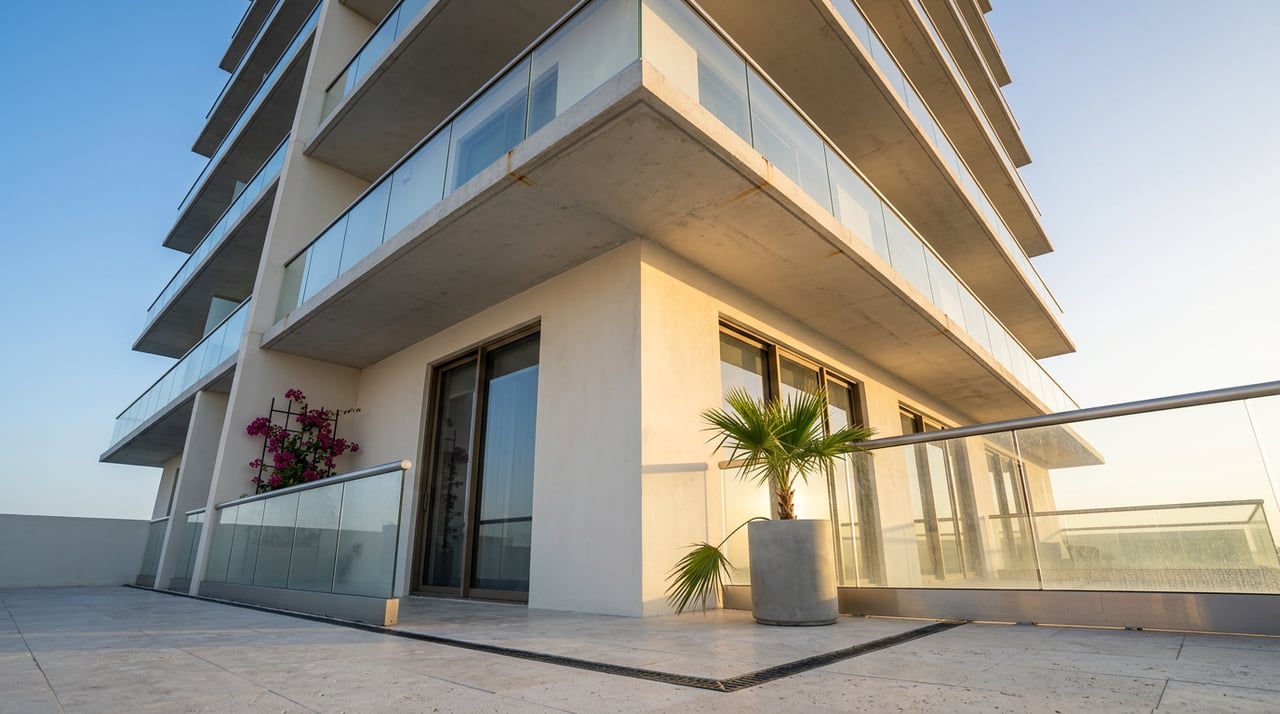
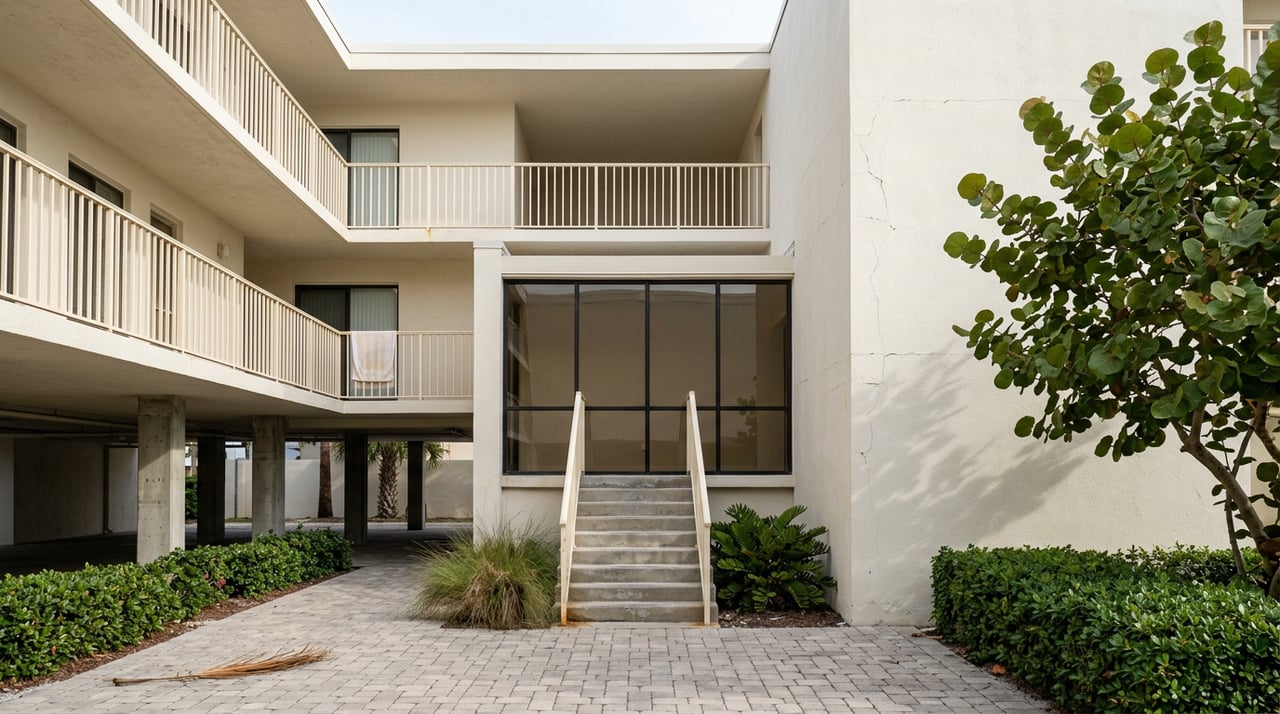
Two buildings sit less than a mile apart in downtown St. Petersburg. One is Art House, the 42-story tower at 275 1st Avenue South that topped out in 2024 and is now more than 90 percent sold, with remaining units priced from $1.3 million to more than $7 million. The other is a midrise built sometime in the 1970s or 80s, the kind of building that has quietly anchored a downtown block for decades, and whose owners are now opening HOA statements that look nothing like the ones they got five years ago.
Both are condos. Both are in the same zip code. Both would show up under the same search filter on a portal. But they are not competing for the same buyer, and they are not moving in the same direction on price. One is riding a wave of new-construction demand. The other is absorbing the bill for decades of deferred maintenance that Florida law no longer lets associations postpone.
That split is the actual story in downtown St. Petersburg right now, and it is the reason a single median price tells you almost nothing useful. The number that matters more than square footage, floor, or even the water view is the age of the building and the state of its reserve fund. Get that wrong and you can end up financing a unit that a lender won't touch, or buying into an assessment that hasn't been voted on yet.
Downtown St. Petersburg posted a median sale price near $1.5 million in February 2026, while the citywide median across all of St. Petersburg sat closer to $500,000 in March 2026. That gap already tells you downtown is its own animal. What it doesn't tell you is that downtown itself is bifurcated between new-construction towers commanding record prices and older buildings where values have slid 10 to 18 percent since Florida's 2024 milestone inspection rules reshaped how associations have to fund reserves.
A median is a single point pulled from two distributions that used to overlap and now barely do. New towers like Art House and the Residences at 400 Central, the 46-story, 301-unit building developed by New York-based Red Apple Real Estate that began welcoming its first residents in late 2025, are pricing in the absence of deferred liability. There is no decades-old roof to fund, no original 1988 plumbing waiting on a reserve study. Older stock is pricing in the opposite: a known, quantifiable, and in many cases very large bill that state law now requires associations to plan for instead of waive.
The mechanism behind this split has a specific date attached to it. Florida's Structural Integrity Reserve Study requirement, created after the 2021 Champlain Towers South collapse in Surfside, requires condo and co-op buildings three stories or taller to study and fund reserves for eight structural components: roof, load-bearing walls, fire protection, plumbing, electrical, waterproofing, windows and exterior doors, and any other item with a replacement cost over a set threshold. For decades, Florida associations could vote to waive or reduce those reserve contributions to keep monthly dues artificially low. That option ended for any budget adopted after December 31, 2024, and full funding became mandatory starting January 1, 2026, according to the state's Division of Condominiums, Timeshares and Mobile Homes.
Buildings also have to complete a Milestone Inspection, a structural safety review by a licensed engineer, once they hit 30 years of age, or earlier if local circumstances require it. St. Petersburg's own building department confirms the Phase 1 inspection window runs on that same 30-year clock, based on the certificate of occupancy date, with a second, more invasive Phase 2 inspection triggered if the first one finds structural deterioration.
Put those two requirements together and you get the arithmetic that's currently repricing older downtown buildings. Associations that spent years keeping dues low by underfunding reserves now have to catch up all at once. Some are doing it through special assessments, some through steep HOA fee increases, and many through both. As of spring 2026, HOA fees across the Tampa-St. Petersburg metro area had risen 17.2 percent year over year, the steepest jump of any major metro in the country.
Special assessments tied to this wave of compliance have ranged from roughly $10,000 to over $100,000 per unit in older buildings, according to industry tracking of the new reserve rules.
The part that catches buyers off guard isn't the assessment itself. It's what a pending or unresolved reserve shortfall does to financing. More than 1,400 Florida condo buildings are currently on Fannie Mae's restricted list, which classifies them as non-warrantable. A non-warrantable building can't be financed with a standard Fannie Mae or Freddie Mac conventional loan, the product most buyers assume they'll use. Instead, financing narrows to portfolio loans or non-QM products, typically at a higher rate and with different qualifying rules.
Buildings land on that list for reasons that map directly onto the compliance picture above: a missed milestone inspection, an incomplete SIRS, a reserve fund below the required funding threshold, or a pending special assessment that materially affects the association's finances. Fannie Mae tightened its condo project review standards again in early 2026, which means a building that was financeable a year ago isn't guaranteed to still qualify today.
Here's how the two lanes of the downtown market compare in practice:
| New tower (built 2024-2026) | Older building (built 1970s-1990s) | |
|---|---|---|
| Reserve status | Fully funded SIRS from day one | Catching up on years of waived or underfunded reserves |
| Recent price trend | Near-record pricing, strong absorption | Down 10-18% since the 2024 rule change |
| Assessment risk | Low, no deferred maintenance | Documented cases from $10,000 to over $100,000 per unit |
| Financing outlook | Typically warrantable, conventional loans available | Risk of Fannie Mae non-warrantable status, may require portfolio or non-QM financing |
If you're shopping downtown St. Petersburg with a portal median in your head, the more useful question isn't "what does this cost per square foot" but "what does this building owe, and to whom." A unit priced 15 percent below a comparable one two blocks away isn't automatically the better deal. It may simply be pricing in a reserve shortfall the seller already knows about.
Before writing an offer on any building three stories or taller, ask for and review these in order:
Buildings with 25 or more units are now required under Florida's HB 1021 to post governing documents, budgets, and reserve studies to a website or app, so much of this should be available before you ever write an offer.
Does this split only apply to downtown, or is it happening across St. Petersburg generally? The financing and assessment mechanics apply to any qualifying condo or co-op building statewide, three stories or taller. Downtown is where it shows up most visibly because that's where the newest towers and the oldest midrises sit closest together on the same streets.
If I'm using a VA loan, does the Fannie Mae non-warrantable list still matter? VA loans work off their own approved condominium project list rather than Fannie Mae's, so the two aren't identical. That said, the underlying building health, milestone inspection status, and reserve funding are exactly what a VA-approved project review will scrutinize too. The due diligence questions above apply regardless of loan type.
Are all older buildings a bad buy right now? No. Some older buildings completed their milestone inspection and SIRS years ago and are already fully funded, which means the hard part is behind them rather than ahead. The point isn't to avoid older buildings. It's to confirm which side of the compliance timeline a specific building is actually on before you assume the lower price is a discount rather than a warning.
If you're comparing towers in downtown St. Petersburg and want help reading a specific building's reserve study or milestone report before you write an offer, Christina Colon can walk through it with you. Let's Connect.
Stay up to date on the latest real estate trends.
Bringing an investor’s mindset, military discipline, and years of Tampa Bay market knowledge to help clients navigate every step of their real estate journey with confidence.
Luxury Presence
[email protected]
(727) 463-0125
License #SL3558237
1400 S International Pkwy Ste 1020 Lake Mary, FL 32746